Start-to-Finish Guide: How to Build a Shipping Container Home
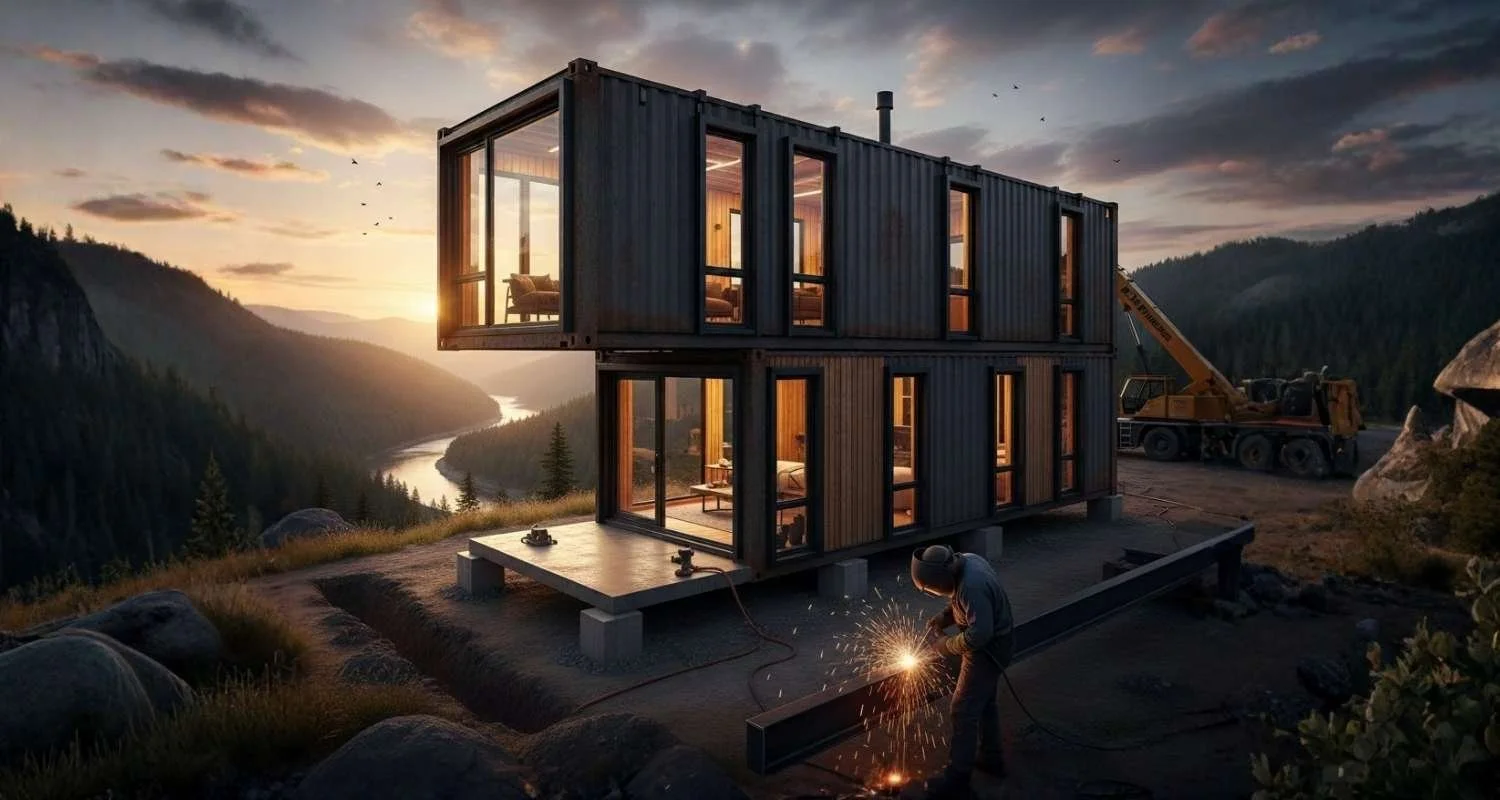
The rising trend of shipping container homes is more than just a passing fad, it’s a powerful movement toward affordable, sustainable, and uniquely modern living. Building a home out of corten steel offers incredible durability, but the process has unique challenges that traditional construction doesn't.
If you’re ready to trade in conventional housing for the strength and style of container homes, this robust, start-to-finish guide breaks down every critical phase, showing you precisely how to build a shipping container home.
Phase 1: Planning, Design, and the Paperwork
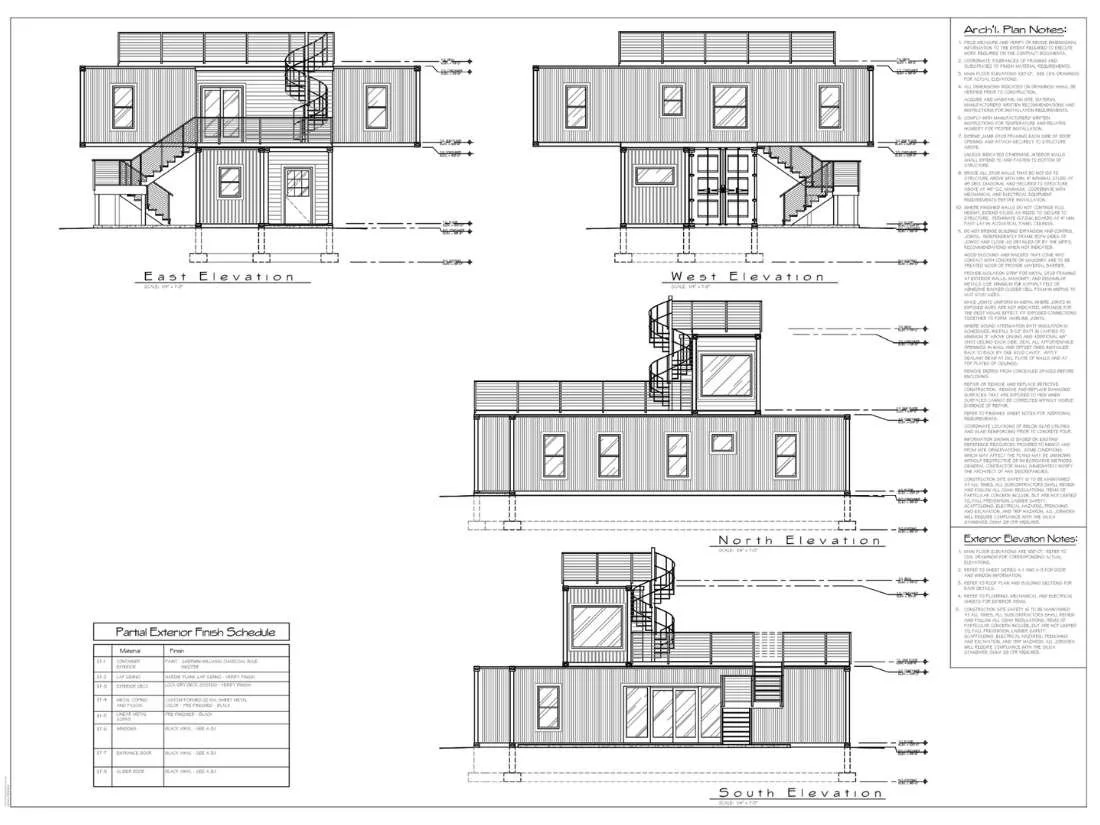
Before the first piece of steel is cut, you must lay a concrete foundation of planning and legal approval. Skipping this phase is the single most common reason container home projects fail.
1. Research & Design Your Blueprint
First, determine the scale of your home. Will you use a single 40-foot High Cube (9.5 ft tall) for a tiny home, or multiple containers stacked or joined together? Understanding the necessary scope will define how to build a container home that meets your needs.
Floor Plan: Decide on your living space by determining the layout of walls, windows, and doors. Remember, every cut into the container's steel requires structural reinforcement later.
Container Sizes: Standard lengths are 20ft and 40ft. Always opt for High Cube containers for the extra foot of ceiling height (9 feet 6 inches external height, 8 feet 10 inches internal height), which is invaluable once insulation and flooring are installed.
2. The Critical Hurdle: Zoning and Permits
Steel is easy to acquire; building permits are not. Many municipalities have outdated zoning or building codes that do not specifically list "shipping container homes" as an approved dwelling.
Consult Local Authorities: Before you spend a dollar on steel, meet with your local building department. Ask if container construction is permitted, and if so, what structural engineering requirements (stamped drawings, structural reports) they require for the plans.
Obtain Financing (If Needed): Traditional mortgages are difficult to secure for non-conventional housing. You may need to secure a specialty loan or use personal financing.
Pro Tip: oftentimes credit unions are more likely to lend on unique homes such as container homes.
3. Establish a Comprehensive Budget
Container homes are not inherently cheaper than stick-built homes, but they can be. Where you save on the "shell," you often spend on structural reinforcement and specialized insulation. Getting this budget right is crucial to successfully figuring out how to build a container home.
Cost Category |
Key Considerations |
|---|---|
| Land & Site Prep | Surveying, grading, and running utility lines (water, sewer, electric). |
| Containers | Cost of steel, delivery fees, and crane rental for placement. |
| Structure | Steel reinforcement (H-beams, tubing), welding services. |
| Insulation | Closed-cell spray foam insulation is the most effective but most expensive option. |
| HVAC & Utilities | Specialty units, running plumbing/electrical lines. |
Phase 2: Acquisition and Site Preparation
4. Sourcing Your Shipping Containers
Containers come in two main categories:
Type of Shipping Container |
Shipping Container Condition |
Pros |
Cons |
|---|---|---|---|
| New (One-Trip) | Used once to ship goods. | Pristine condition, minimal or no rust, clean interior. | Highest cost. |
| Used (Wind/Water Tight) | Used for years, showing cosmetic wear (dents, surface rust). | Significantly cheaper. | Requires extensive cleaning, potential for 'cargo residue' smell (off-gassing). |
Pro Tip: Always inspect the container in person for deep structural damage, extensive rust pitting, and listen for the seller’s confirmation that the box is “wind and water tight”.
5. Preparing the Site and Foundation
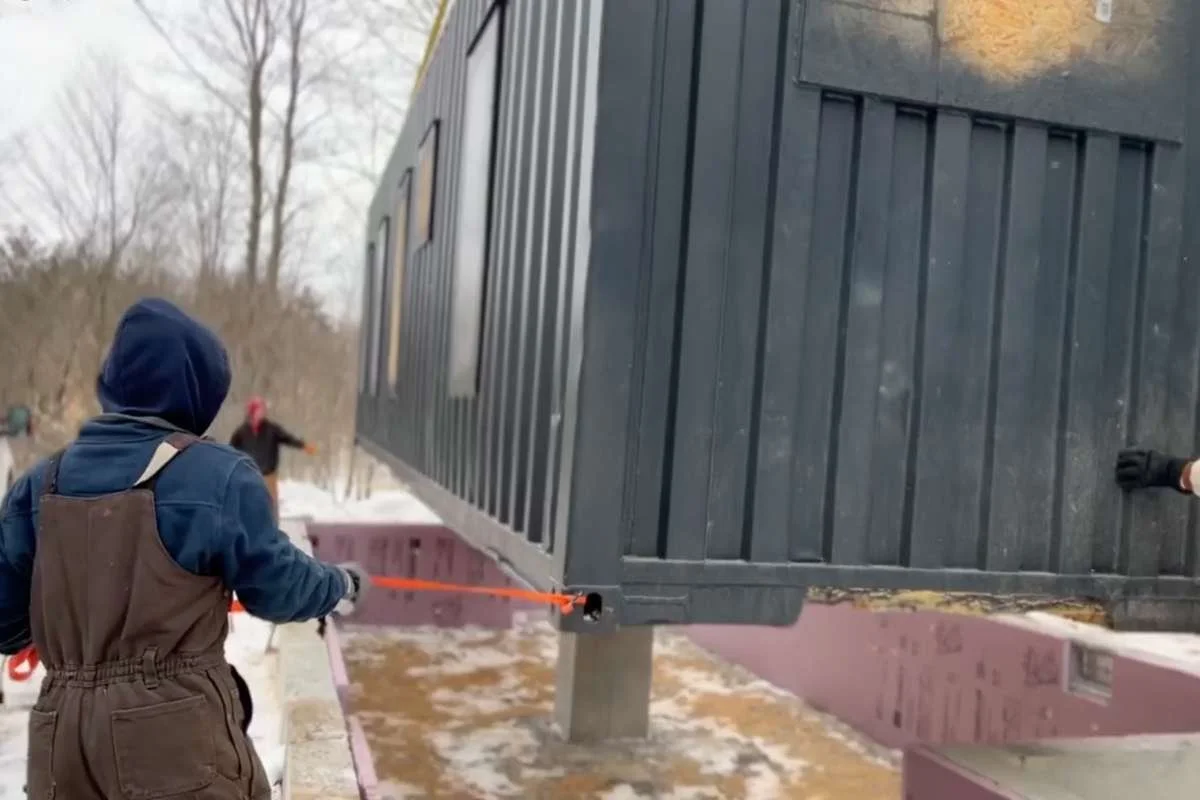
Your foundation is essential for anchoring the containers and ensuring longevity.
Piers/Pillars: Concrete footings set below the frost line with a steel plate on top. This is the simplest option and raises the container off the ground (great for ventilation and avoiding rust).
Slab: A full concrete foundation, ideal for cold climates or if you plan to join multiple containers directly on the ground.
Utilities: Ensure all necessary utility hookups (water and electrical trenches) are in place before the containers arrive.
6. Container Delivery and Placement
This is the most exciting and nerve-wracking day. Containers are heavy—around 5,000 to 10,000 lbs each. You will need a specialized delivery service and often a crane to lift the boxes and set them precisely onto your prepared foundation.
Phase 3: Core Construction and Modification
This is where you transform a simple box into a habitable dwelling, continuing the journey of how to build a shipping container home.
7. Cutting the Openings
Using plasma torches or cutting wheels, carefully mark and cut openings for windows, doors, and any interior connections between containers.
Structural Warning: The corrugated sides and the door/end frames are what give the container its immense strength. Every single linear foot of steel you remove must be replaced with structural steel reinforcement.
8. Structural Reinforcement (Don't Skip This)
This is the step that makes your home safe and robust. When you cut out a wall section, you compromise the container’s ability to bear its own load and the roof load.
Weld Steel Tubing: Frame every cut-out (door, window, or internal connection) with heavy-gauge steel tubing (e.g., 4" x 4" square tube). This transfers the structural load and ensures your home won't buckle or deform over time.
Hiring a Certified Welder: Unless you are a professional welder, hire a certified welder for this critical step.
9. Insulation
Containers are essentially giant steel radiators. Without proper insulation, they will be ovens in the summer and iceboxes in the winter.
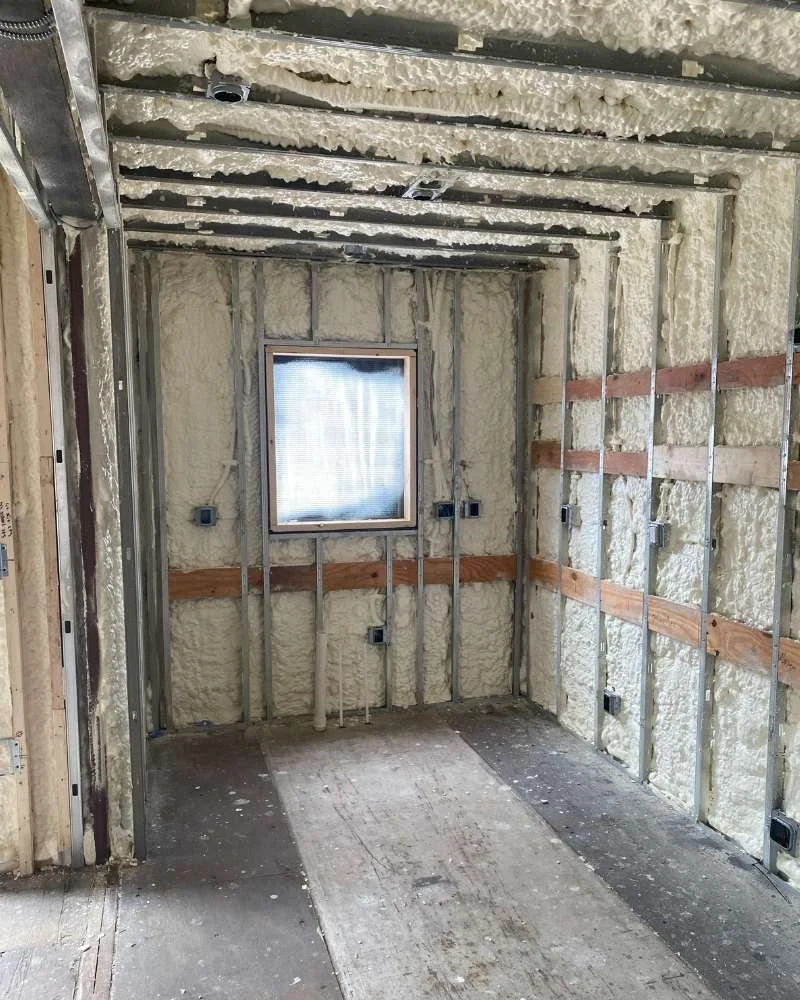
Closed-Cell Spray Foam: This is the best option and considered the industry standard for container homes. This spray foam insulation adheres directly to the metal, provides the highest R-value per inch, and acts as a vapor barrier, preventing condensation (which leads to rust) inside the walls.
Interior Framing: Once insulated, you will build interior stud walls (2x4s) inside the container. This provides a space to run electrical wiring and plumbing without cutting more steel, and gives you a surface for drywall or paneling.
10. Utilities, Plumbing, and HVAC
Electrical: Run all electrical wiring inside the newly framed walls. For the exterior, you may need to cut a small hole for the main service entry, which must be properly sealed and fitted with a weatherhead.
Plumbing: Install supply and drain lines. Many builders run some plumbing lines externally (on the container wall, covered by exterior siding) or through the floor/slab to minimize structural cuts.
HVAC: Mini-split systems are highly recommended for container homes as they are efficient and do not require extensive ductwork, simplifying installation.
Phase 4: Finishing Touches and Move-In
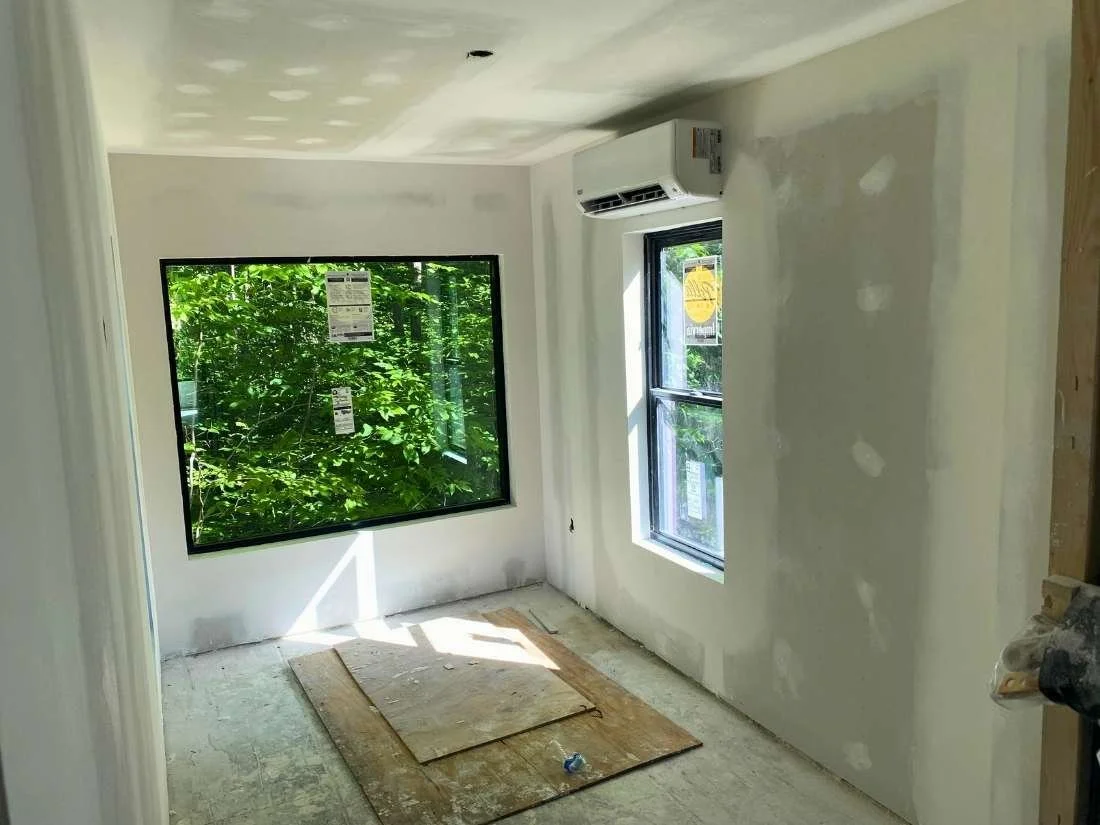
11. Interior and Exterior Finishing
Exterior: While the steel is durable, consider adding exterior siding (wood cladding, stucco, or metal panels). This adds curb appeal and provides an extra layer of weather protection.
Interior: Finish your walls with drywall or wood paneling. Install flooring (laminate, vinyl, or concrete polish) and build out your kitchen and bathroom.
12. Final Inspections and Move-In
Once the construction is complete, you must pass the final inspections from your local building department. They will check the structural integrity, electrical, plumbing, and fire safety systems.
Once the final stamp is received, your unique, robust, and sustainable container home is complete.
Common Mistakes to Avoid When Building A Container Home
While the container home process is straightforward, certain pitfalls can sink your timeline and budget. Learning how to build a container home means learning what not to do.
1. Underestimating the Cost of Reinforcement
Many new builders assume the shell cost is the main expense. In reality, every large opening (for doors or windows) requires welding in substantial steel tubing to compensate for the lost structural integrity. This reinforcement and the associated labor can easily make up 15-25% of your total construction budget. Never skip or skimp on structural steel.
2. Under-insulating the Structure
As detailed in Phase 3, a steel box is a highly efficient conductor of heat and cold. A common mistake is using inexpensive, low R-value insulation (like fiberglass batts) applied against the steel. This leads to thermal bridging and energy inefficiency. Use the highest R-value insulation possible, with closed-cell spray foam being the highly recommended solution.
3. Ignoring Condensation and Rust
This temperature difference causes condensation (sweating) on the inside walls, leading to rapid rust and mold. You must use a proper vapor barrier. The spray foam option is the best defense, as it adheres to and seals the metal completely, preventing the moisture/steel contact that causes corrosion.
4. Hiring Unfamiliar Contractors
General contractors and tradespeople (electricians, plumbers) who only have experience with stick-built homes often misunderstand the structural and thermal requirements of steel containers. When securing bids, ask for direct examples of their container construction work. Unfamiliar crews can waste time and money making conventional mistakes.
5. Buying the Wrong Grade of Container
Cheaper, used containers are fine to use but keep it mind they may have been used to haul toxic chemicals or have sustained significant, hidden structural damage. Always ask for a WWT (Wind and Water Tight) or, ideally, a One-Trip container if your budget allows.
6. Failing to Secure Permits First
The single biggest roadblock is local bureaucracy. If you buy your containers and building materials and then start cutting before getting signed-off permits and engineering plans, you risk being forced to stop construction, dismantle the structure, or face massive fines. Get the paperwork approved before the steel is ordered.
Start Your Container Home Journey Off Right
Building a home from shipping containers is a monumental endeavor, merging the principles of sustainability with industrial strength. By following the four phases, from rigorous planning and permit acquisition to precise structural modification and insulation, you can successfully navigate the unique challenges of steel construction. Remember that attention to detail, especially regarding structural reinforcement and vapor barrier application (insulation), is the key to creating a home that is not just aesthetically modern, but truly durable and safe for decades to come.
The effort required to master how to build a shipping container home results in a highly customized dwelling that stands apart. Your finished steel haven represents the ultimate expression of modern, resilient living. Take the planning seriously, address the common mistakes, and soon you will be enjoying a strong, unique, and sustainable home built from the ground up, or rather, from the container yard up.