Why AirBnB Hosts Earn More Money With Container Home AirBnBs
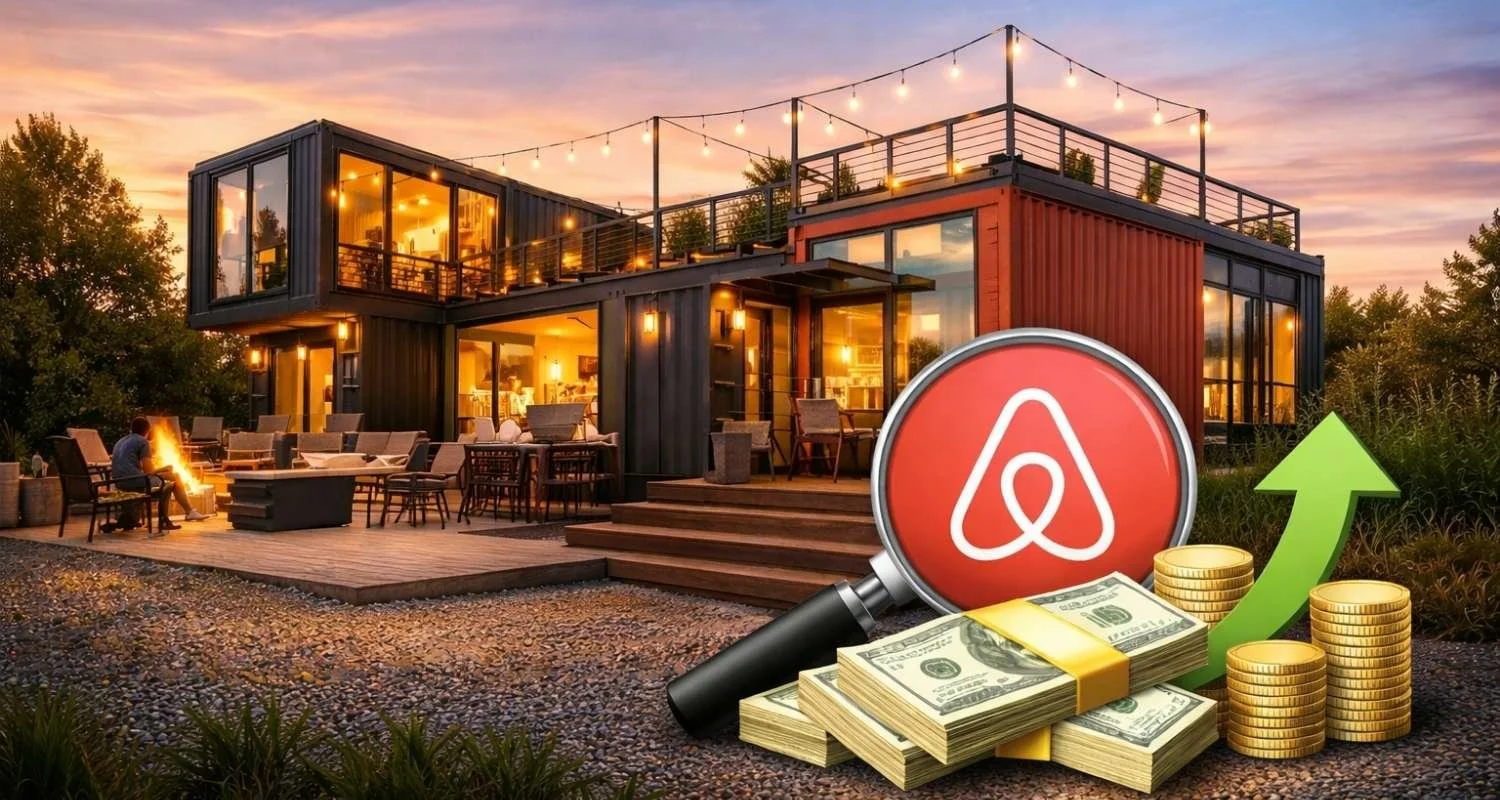
The short-term rental market is more competitive than ever, yet one type of property keeps rising above the noise: the shipping container home AirBnB. These sleek, compact, and visually striking homes are quickly becoming some of the most booked listings on AirBnB, and it’s no accident.
With their modern design, eco-friendly appeal, and social-media-ready aesthetics, container home AirBnBs are transforming how travelers choose where to stay. Guests want experiences, not just beds. And shipping container homes deliver that experience in a bold, memorable way.
Let’s explore why these homes are outperforming traditional vacation rentals, how they command higher nightly rates, and what real estate investors should know before joining the container-home gold rush.
Why Shipping Container Homes Outperform Traditional Short-Term Rentals
1. Unrivaled Visual Appeal Drives Clicks and Bookings
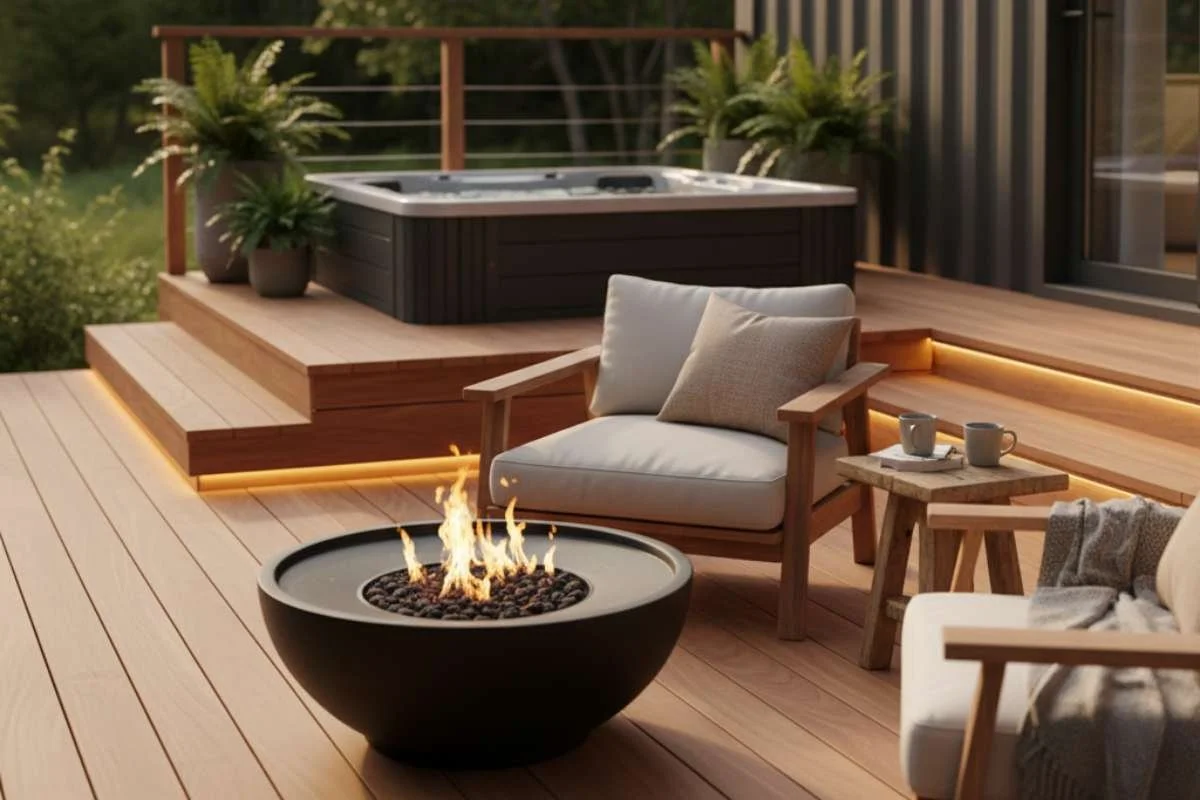
Modern travelers aren't just seeking a place to rest their heads; they are actively searching for an experience, a story, and a visually stunning backdrop for their social media feeds. Shipping container homes, with their inherent minimalist, modern, and industrial-chic aesthetic, are perfectly tailored for this demand.
Architectural Novelty: The striking lines, bold colors, and modular nature of a container home AirBnB instantly differentiate it from the monotonous sea of traditional vacation rental thumbnails. It’s an immediate eye-catcher.
The "Scarcity" Factor: Because they are inherently unique and still somewhat rare, discovering a container home feels like unearthing an exclusive treasure. This perceived scarcity triggers higher engagement, more clicks, and crucial "saves" on the AirBnB platform, boosting visibility.
Built-in Photo Opportunities: Every angle, from the corrugated steel exterior to the cleverly designed compact interiors, offers a compelling photo opportunity, encouraging guests to share their experience and generate free, organic marketing for your listing.
2. Guests Pay More for Unique Experiences
A typical apartment competes with thousands of others. A container home AirBnB competes with almost nothing. Therefore, guests are increasingly willing to pay a premium for experiences that stand out. A container home isn't just accommodation; it's an adventure.
That uniqueness allows hosts to:
Charge higher nightly rates
Maintain strong occupancy
Avoid price wars with nearby hotels or condos
Comparative Nightly Rates For Short-Term Rentals (Average, U.S. Market)
Property Type |
Average Nightly Rate |
Occupancy Rate |
Revenue Per Available Room |
|---|---|---|---|
| Traditional Apartment | $120 | 65% | $78 |
| Standard House | $180 | 60% | $108 |
| Container Home | $250 | 80% | $200 |
| Glamping Tent | $150 | 70% | $105 |
Note: These figures are illustrative and can vary widely based on location, amenities, and seasonality.
3. Eco-Friendly Appeal Attracts Modern Travelers
The modern traveler, particularly the desirable millennial and Gen Z demographic, is more eco-conscious and socially responsible than ever before. By upcycling a 20-foot or 40-foot steel box, you are diverting approximately 8,000 to 10,000 pounds of steel from landfills. As a result, for travelers, staying in a shipping container home feels better than booking a traditional build. That emotional connection translates into bookings.
Brand Alignment: Guests feel good about choosing a sustainable option, aligning their travel choices with their values.
Marketing Advantage: Highlighting the eco-friendly aspects of your container home AirBnB isn't just good for the planet; it’s a powerful marketing tool that attracts a premium demographic of guests actively seeking "green" luxury.
Positive Reviews: Eco-conscious guests are often more appreciative of the thoughtful design and sustainable choices, leading to higher guest ratings and glowing reviews that further boost your listing's appeal.
4. Faster Builds Mean Faster Bookings
Speed can be a major advantage of a container home AirBnB, but it depends on the size and design of the build. Smaller projects using one or two containers with simple, minimalist layouts can often be completed much faster than traditional construction. Larger builds that combine three or more containers or feature complex architectural designs may take longer and don’t always deliver the same time savings.
Even so, in real estate investing, time is money. A traditional stick-built home can easily take 12 to 18 months to complete, with delays caused by permitting issues, weather conditions, and contractor availability.
When you choose to build a container home, you are working with a pre-engineered steel structure rather than starting from scratch. Most high-quality container homes are built off-site in controlled factory environments and delivered to the property nearly 80% complete. This “plug-and-play” approach can dramatically shorten your timeline, allowing you to go from empty land to a live, revenue-generating listing in a fraction of the time required for conventional construction. Instead of waiting years to launch, many hosts are able to list their shipping container home AirBnB within months.
What Investors Should Know Before Becoming An AirBnB Host With A Container Home
While the potential return on investment is undeniably tantalizing, tapping into "Container Gold" requires diligent planning and an informed approach.
1. Zoning & Permits Are Your First Hurdle
Not every municipality has embraced the container home movement with open arms or AirBnBs. Local regulations vary widely, and some areas may have specific restrictions on alternative dwellings and short-term rentals. Always make checking local zoning laws and obtaining necessary permits your absolute first step before purchasing any steel or land.
2. Insulation is Non-Negotiable
Steel, by its very nature, is an excellent thermal conductor. This means that without proper insulation, your container home will be sweltering in the summer and freezing in the winter. Investing in high-quality closed-cell spray foam insulation is paramount to ensure year-round guest comfort and energy efficiency. Don't skimp here as it directly impacts guest satisfaction and your utility bills.
3. Clever Design for Maximized Space
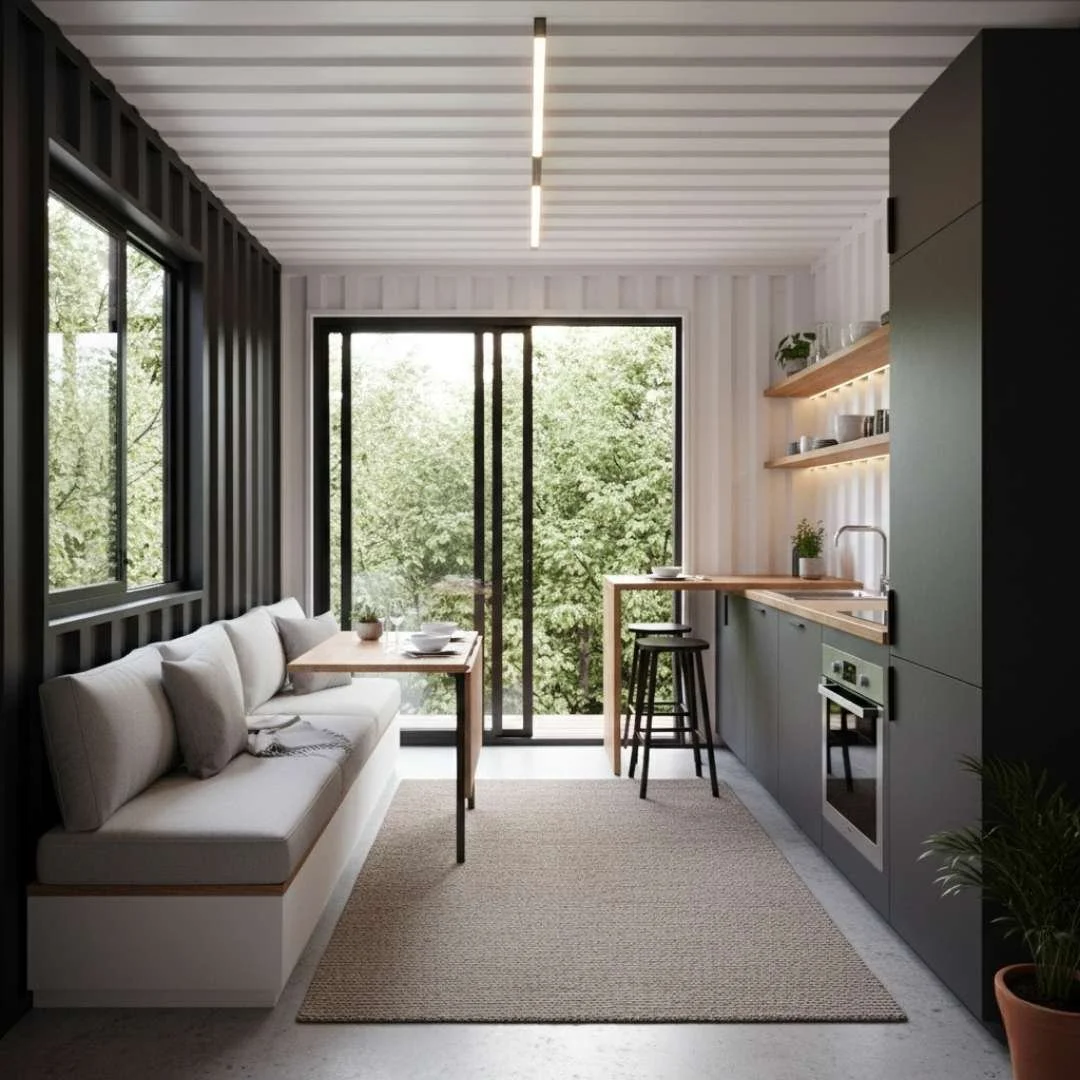
Every single square inch within a container home is precious and must be utilized effectively. Embrace innovative "tiny home" design strategies:
Multi-functional furniture: Ottoman that doubles as storage, sofa beds, or dining tables that fold away.
Vertical storage: Wall-mounted shelves, built-in cabinetry, and clever nooks.
Blurring indoor/outdoor lines: Large sliding glass doors, expansive windows, and well-integrated decks can make the interior feel significantly larger and more connected to nature.
4. Amenities Matter
While the container itself is unique, thoughtful amenities elevate the experience. Consider a small hot tub, a fire pit, a dedicated outdoor dining area, or even a projector for outdoor movie nights. These small touches justify the premium rates.
Ready To Get Started? Here’s How To Become An AirBnB Host With A Container Home
I’ve been a container home AirBnB host for nearly four years, and I can confidently say the shipping container movement is not just a passing trend. It represents a real shift in how people think about travel, architecture, and sustainable living.
With our shipping container home Airbnb, Steelhaven, we’ve seen gross revenue grow to over $70,000 per year simply by offering a guest experience you can’t find anywhere else in our area, or even in the state of Michigan. That success comes from providing a unique experience, not just a place to sleep.
This has been one of the most innovative ways for us to build a reliable passive income stream, while also enjoying the reward of sharing a truly special space with travelers from around the world. The opportunity is real. If you own a plot of land, or even just a spacious backyard, you are potentially sitting on an untapped gold mine.
Get Started Today
Sign up to become an AirBnB host using my referral link below. Not only does it help me out with creating content like this but you'll also be eligible for a fantastic cash reward once you successfully host your first guest! This is your chance to leverage the booming demand for unique stays.