The 6 Best Shipping Container Home Foundation Options
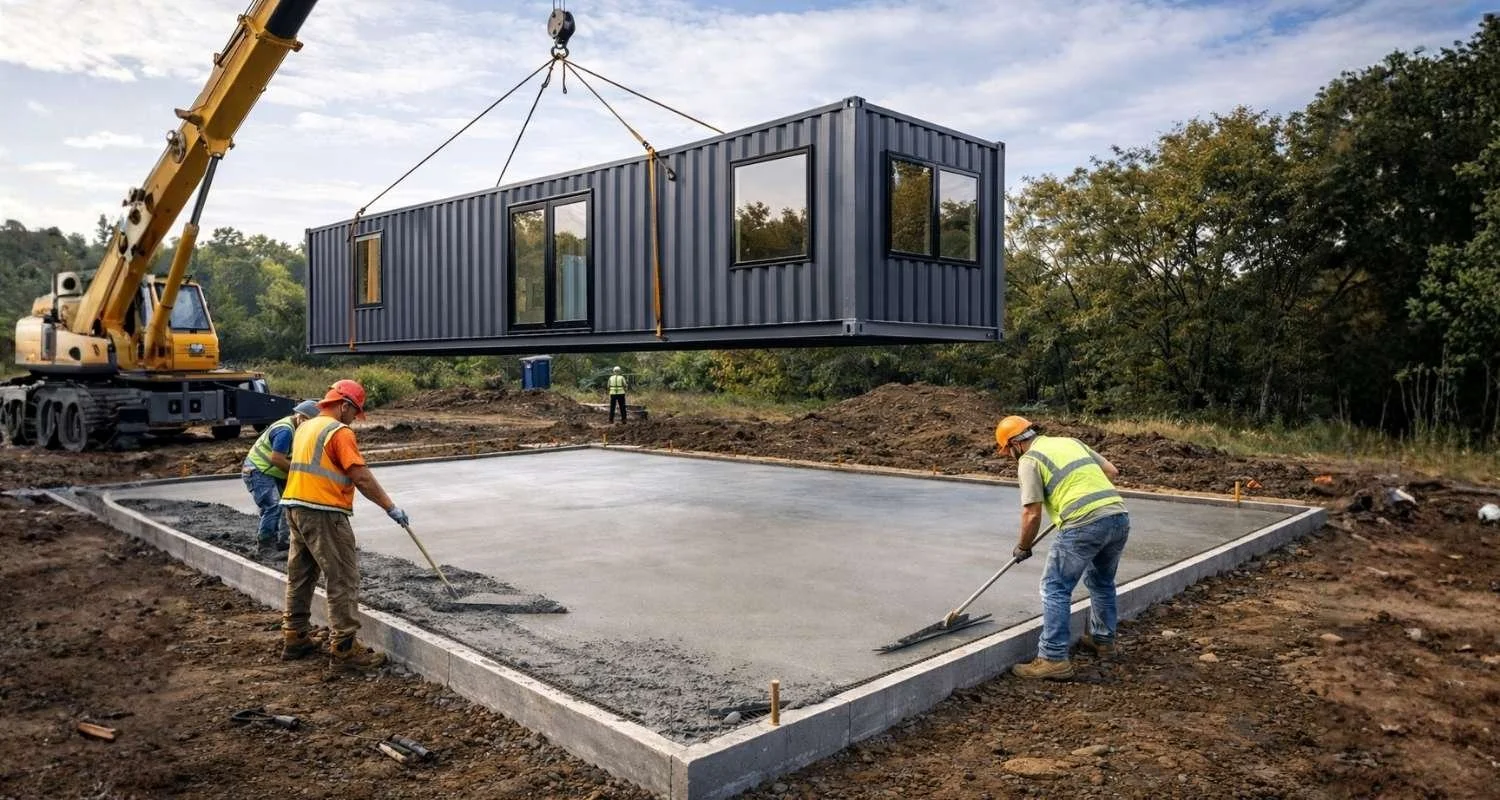
Shipping container homes may be built from industrial steel, but their long-term performance still depends on what’s underneath them. The right foundation for container home construction determines how well the structure resists movement, handles moisture, stays level, and supports utilities for decades to come.
While shipping containers are incredibly strong, they’re engineered to carry weight primarily at their corner castings, not along continuous walls like traditional houses. That difference makes foundation planning especially important. In this guide, we’ll explore the most reliable container home foundations, when each works best, and what you should weigh before making a decision.
Why The Foundation For Your Container Home Is One of the Most Important Decisions
A properly designed shipping container home foundation is about far more than simply setting the box on the ground. It is the structural handshake between your home and the earth.
A smart foundation strategy helps:
Distribute concentrated corner loads into the soil safely
Prevent twisting or racking of the steel frame
Reduce the chance of settlement and costly structural integrity corrections
Manage groundwater and storm runoff
Support insulation strategies that improve comfort
Ensure compliance with engineering and permitting requirements
Because doors, windows, and interior finishes depend on the container staying square, even minor movement can create headaches later. Investing in the right system at the beginning usually saves significant money down the road.
The Best Foundations For Container Homes
1. Concrete Pier Foundation
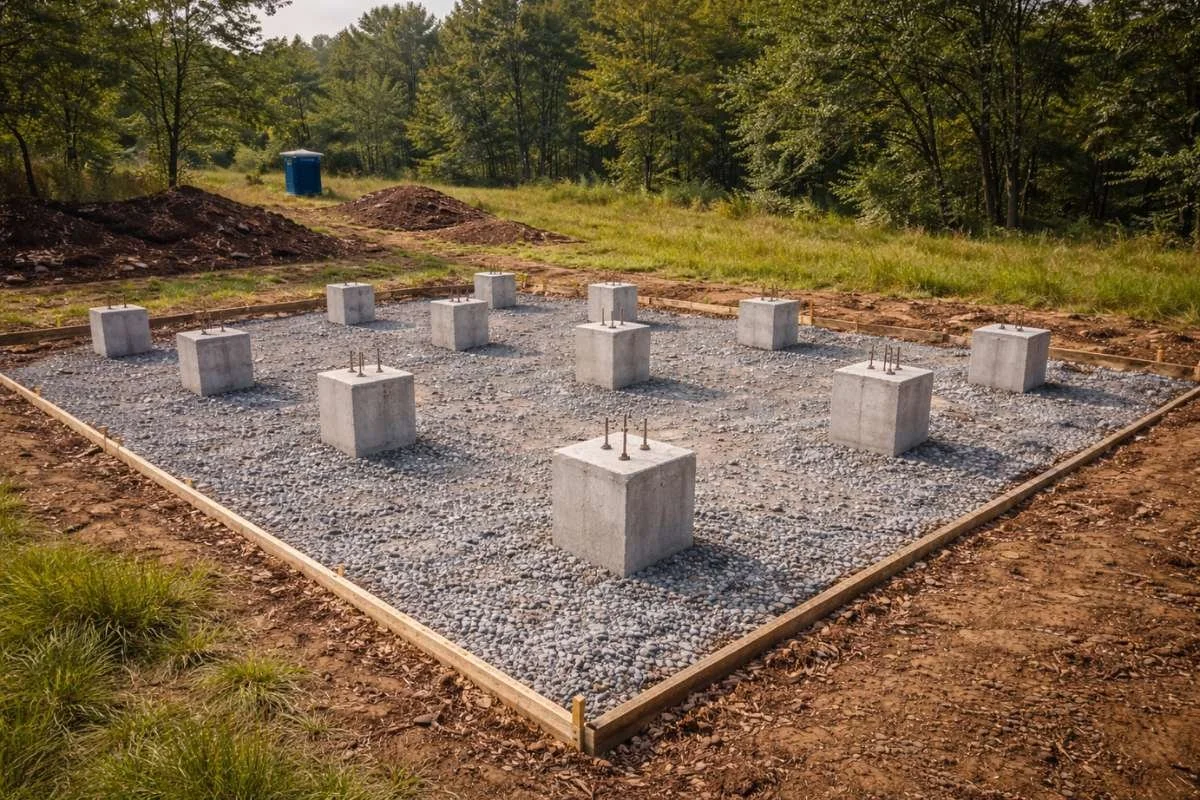
Pier foundations are often the entry point for shipping container construction. They’re efficient, adaptable, and minimize disruption to the land.
How Pier Foundation Systems Support Containers
Concrete columns are placed strategically under the container’s structural load points, usually at the corners and sometimes mid-span for longer configurations. Steel plates or brackets connect the container securely to the piers.
Why Many Builders Choose Piers
Typically the most budget-friendly route
Faster installation compared with continuous concrete
Excellent for uneven or sloped terrain
Elevation improves airflow and reduces moisture buildup
Easier to run plumbing and electrical beneath the home
Where Extra Planning Is Needed
Measurements must be extremely precise
Additional insulation is required under the floor
Skirting is often added for aesthetics and pest control
For cabins, ADUs, and rural builds, piers can be a perfect blend of simplicity and performance.
2. Concrete Slab Foundation
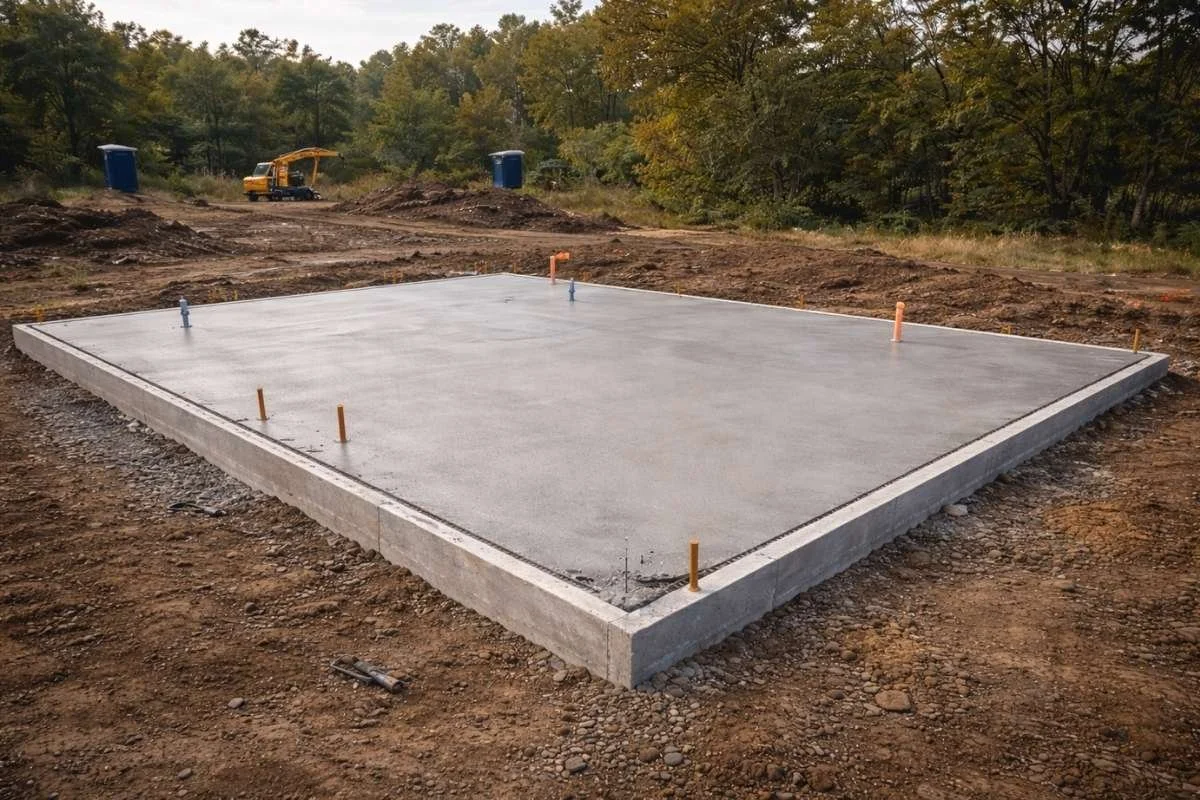
Concrete slabs provide a familiar, traditional approach that many municipalities and lenders appreciate.
How Slab Foundations Work With Containers
A reinforced pad is poured across the footprint. Anchor points are embedded so the shipping container can be welded or bolted into position once delivered.
Strengths of a Concrete Slab Approach
Straightforward engineering
Excellent load distribution
Clean, low-profile appearance
Durable and long-lasting
Often easier for inspectors to approve
Tradeoffs to Consider
Plumbing must be finalized before the pour
Future repairs under the slab are harder
Requires good site grading and drainage
If you want your project to feel closer to a conventional home, a slab is often the path of least resistance.
3. Stem Wall Foundation
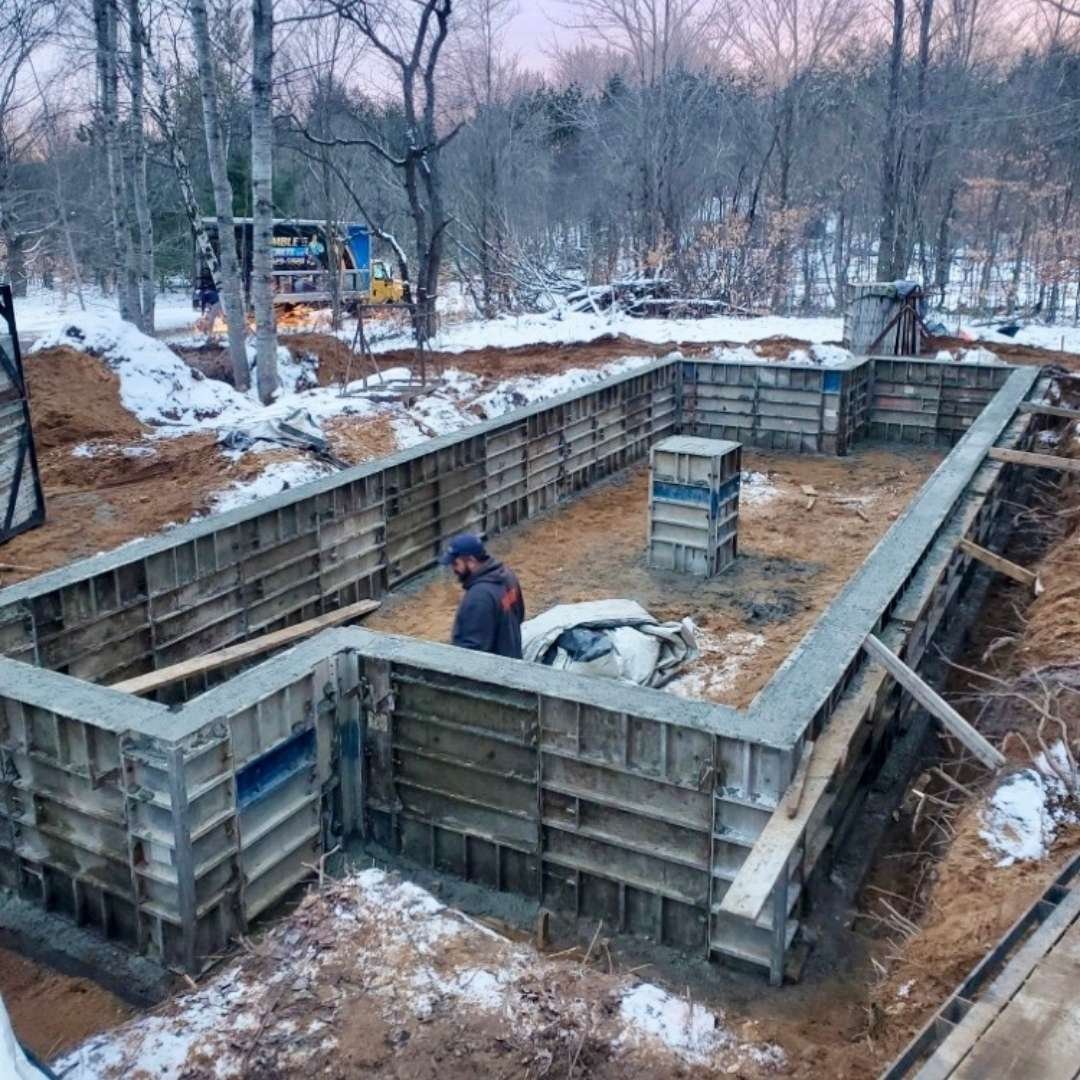
Stem wall systems, similar to strip foundations, are a favorite among builders who want durability, elevation, and access without committing to a full basement.
How Stem Walls Are Built
Concrete footings are installed below the frost line, then short perimeter walls rise to create a raised platform. The area inside can remain a crawl space or be partially filled.
Why They Work So Well for Container Homes
Lifts steel above pooling water and snow
Provides ventilation to combat condensation
Allows maintenance access for plumbing and wiring
Offers stronger continuous support than isolated piers
Creates a polished, permanent appearance
What to Budget For
More excavation and concrete
Slightly longer construction schedule
Engineering for venting and insulation
In many regions, stem walls hit the sweet spot between affordability and longevity.
4. Pile Foundations (Helical or Steel)
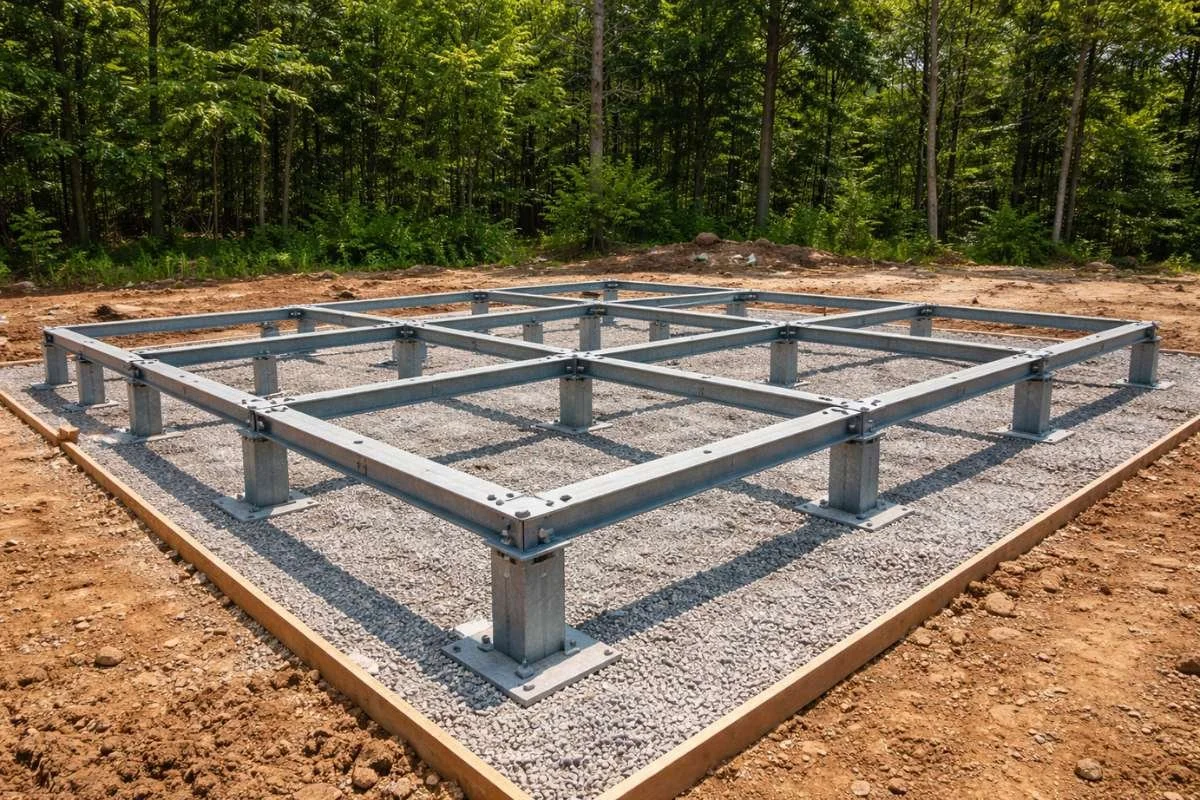
Where soils are weak or flooding is a concern, piles provide deep, reliable support.
How Piles Stabilize the Structure
Long steel screws (helical piles) or pillars are driven deep into the earth until they hit stable soil or bedrock capable of carrying the load of the shipping container.
Advantages
Installation is quick with specialized machinery
Exceptional stability
Ideal for coastal areas, wetlands, waterfront properties, or sites with poor soil test results
Minimal excavation with very low environmental impact
Keeps the living space safely elevated
Limitations
Higher equipment and labor costs
Requires specialized engineering
5. Concrete Block Foundation
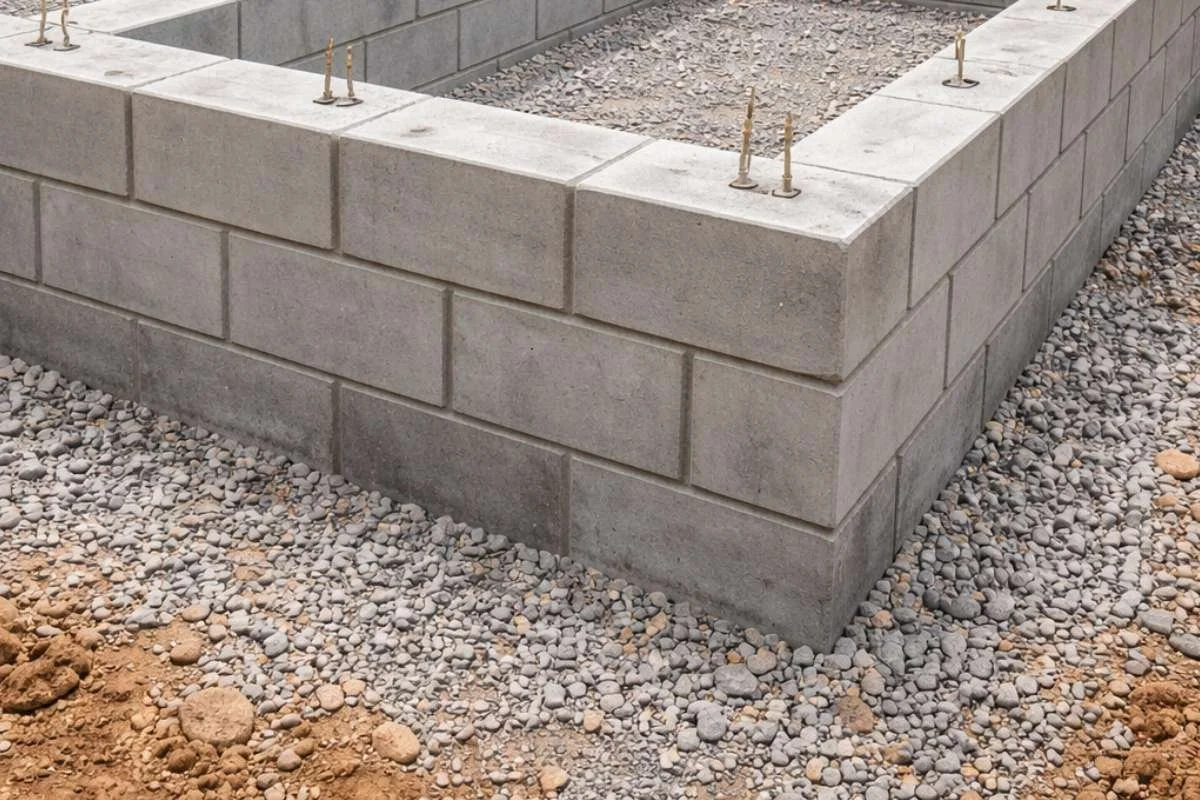
Concrete masonry units (CMUs), often called cinder blocks, are sometimes used as a simplified or temporary foundations for shipping container homes. In the right scenario, they can serve as a practical stepping stone toward a more permanent build.
How Block Foundations Are Used
Blocks are stacked or mortared at key bearing points, typically beneath corners and along major load paths. They may sit on compacted gravel pads or small footings.
Why Some Builders Consider This Option
Lower upfront material cost
Quick installation
Minimal excavation
Can work for sheds, workshops, or short-term placements
Important Limitations
Less stable than poured concrete
Vulnerable to shifting or settlement if not engineered
Often not approved for permanent residences
Requires careful leveling and anchoring
For full-time homes, many jurisdictions require upgrading to a more engineered system, but blocks can still play a role in early project phases.
6. Strip Foundation
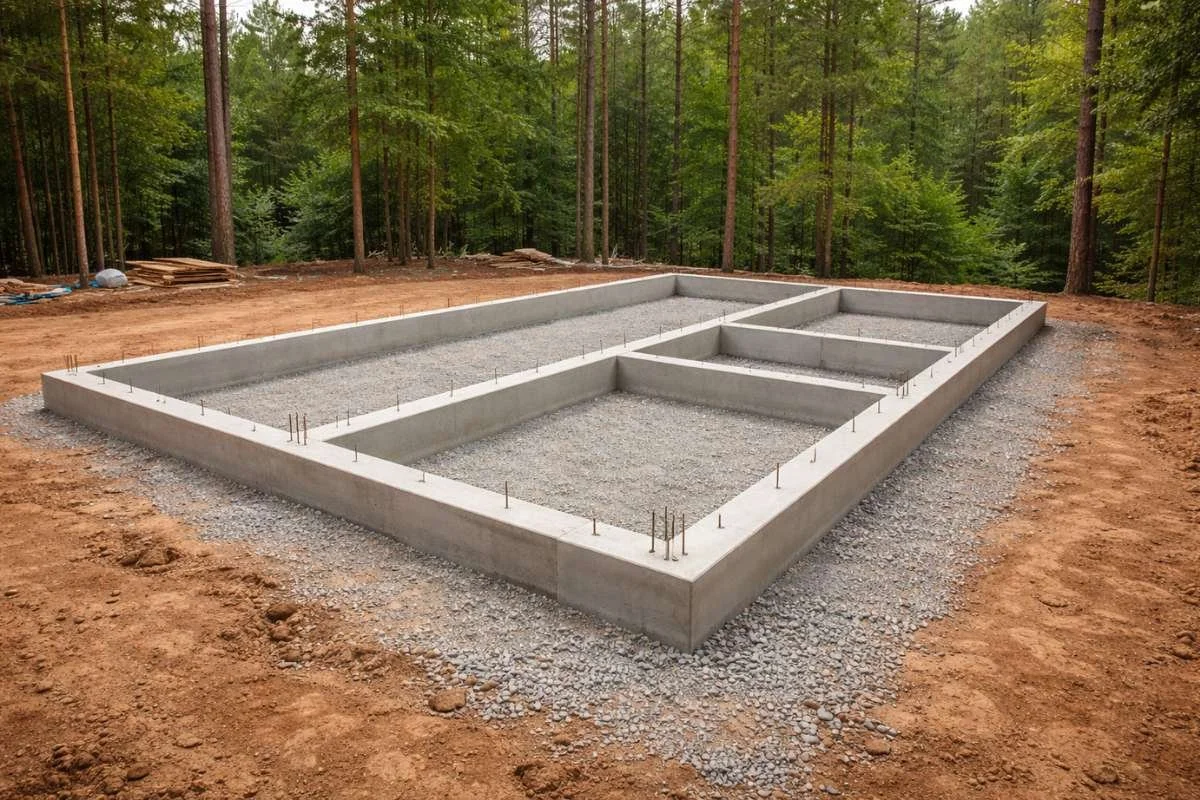
Strip foundations, sometimes called trench or continuous footings, run beneath load-bearing lines instead of supporting only isolated points.
How They Work
Concrete is poured into trenches below frost depth, forming long structural bands that carry weight along the shipping container rails or perimeter.
Why They’re Effective
Provides more continuous support
Reduces differential settlement
Works well for multi-container layouts
Often simpler than a full slab
Considerations
Requires accurate excavation
May still need piers or pads at high-load corners
Slightly higher cost than isolated footings
This approach is common in regions where traditional masonry homes are built on continuous footings.
What Determines the Right Container Home Foundation?
No two builds are identical. Before recommending a container home foundation, builders and engineers usually review several variables.
Soil Conditions
Bearing capacity varies dramatically between sand, clay, rock, or fill.
Poor soils may require deeper support or soil improvement.
Climate & Environmental Exposure
Frost depth dictates how deep footings must go.
Heavy rainfall may call for elevation and drainage planning.
Wind or seismic regions require additional anchoring.
Size and Complexity of the Build
A single 20-foot container is very different from a 40-foot container, multi-story layout.
Rooftop decks, green roofs, or extra modules increase loads.
Access to Utilities
Water, sewer, and electrical routing must be planned early.
Some systems allow easier future maintenance than others.
Budget Expectations
With those considerations in mind, let’s explore the most common solutions.
Which Foundation Should You Choose?
Choosing the right foundation for container home builds depends on three factors:
Your Budget: Piers are cheapest; slabs and stem walls are more of an investment.
Soil Type: Always get a soil test to see if you’re dealing with expansive clay or stable rock.
Local Building Codes: Some municipalities require specific foundation types for permanent dwellings.
Shipping Container Home Foundation Comparison
Foundation Type |
Cost |
Best Soil Type |
Airflow |
|---|---|---|---|
| Concrete Piers | Low | Stable / Rocky | Excellent |
| Slab | High | Flat / Sandy | None |
| Stem Wall | Moderate | Sloped / Clay | Good |
| Piles | High | Soft / Unstable | Excellent |
| Concrete Blocks | Low | Stable | Good |
| Strip Foundation | Moderate | Firm Soil | Limited |
Final Thoughts On Foundations For Container Homes
Your shipping containers may have traveled thousands of miles across oceans, but once they arrive, it’s critical for them to find a permanent, stable place to rest.
Therefore, choosing the right shipping container home foundation the first time is the best insurance policy you can buy for your new home. Whether you choose a simple pier set-up or a reinforced stem wall foundation, a level and stable base ensures your shipping container stays a "sanctuary" rather than a "project" for years to come.
Make the decision carefully as it’s the part of the home you can’t easily change later.